
By Gus Safadi, ChannelLeap
A list of potential channel partners can help a technology vendor decide where to start. It cannot decide why those partners should care, who will follow up, or what they will do together after an introduction.
That is where many channel programs slow down. The recruitment activity has an owner. The work after recruitment is left to whoever has time.
Before adding more names to your pipeline, make the next steps clear enough that a vendor and partner can act on them.
Start with fit
A familiar company name is not the same as a suitable partner.
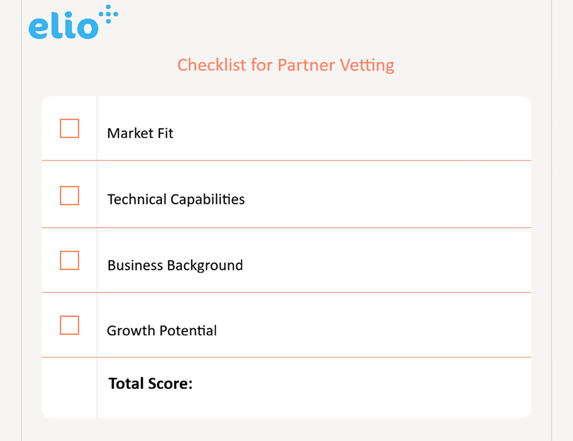
Look at the customers the partner serves, the problems it already solves, its technical and service capabilities, and the other vendors competing for its attention. Ask where your product would fit into work the partner can credibly sell and deliver.
Recruitment tools and databases can support that research. The useful output is a focused conversation about fit, not simply a longer contact list.
Give the partner a commercial reason to engage
Your product may be important to your team. A prospective partner still needs to understand why it belongs in its business.
Where could the partner earn margin or deliver relevant services? What customer need would justify introducing the product? What time and technical work will the first opportunity require? Which responsibilities will the vendor take on?
Specific answers make the opportunity easier to evaluate. “We have a great partner program” leaves the partner to fill in the difficult parts.
Put ownership behind the introduction
An introduction should lead to an agreed next action.
Decide who qualifies the fit, who schedules the follow-up and who supplies the useful evidence. After a partner joins, name the owners of onboarding, enablement, joint marketing, technical support and opportunity follow-through.
Ownership does not mean putting everything on one person. It means making the handoff visible so the work does not disappear between teams.
This matters especially when a vendor is entering the U.S. market with a small team. A distributor, a recruitment platform and a partner manager may each handle useful parts of the process. Their responsibilities still need to connect.
Make activation practical
A portal login and a completed training session are milestones. The partner also needs to recognize a customer situation where the product belongs.
Choose one credible use case. Prepare the discovery questions. Explain when the vendor should join the conversation and what technical validation would be needed. Agree on a first action, such as a joint discovery call or a review of suitable accounts the partner is permitted to discuss.
Respect the customer’s permissions and the vendor’s deal-registration rules. A partnership is not permission to pass customer lists around.
Review progress beyond the number of names
Recruitment reports can show outreach, responses and introductions. Activation reviews should also look at whether the commercial proposition is understood, next actions are completed and suitable customer conversations are taking place.
When progress stalls, ask where ownership or fit broke down before assuming that another campaign will solve it.
At ChannelLeap, my work is connecting those steps for technology vendors: recruiting suitable partners, giving them a reason to act, and keeping enablement, joint marketing and co-selling moving beyond the initial introduction.
If your channel has plenty of activity but the next step keeps slipping, identify the missing owner first.
Building your U.S. channel or trying to activate existing partners? Talk to Gus at ChannelLeap about your product, your current partner motion and where the work gets stuck.
Author bio
Gus Safadi leads ChannelLeap and provides fractional channel sales and development for technology vendors. He has more than 20 years of channel sales experience and focuses on partner recruitment, activation, enablement, joint marketing and co-selling in the U.S. market.