
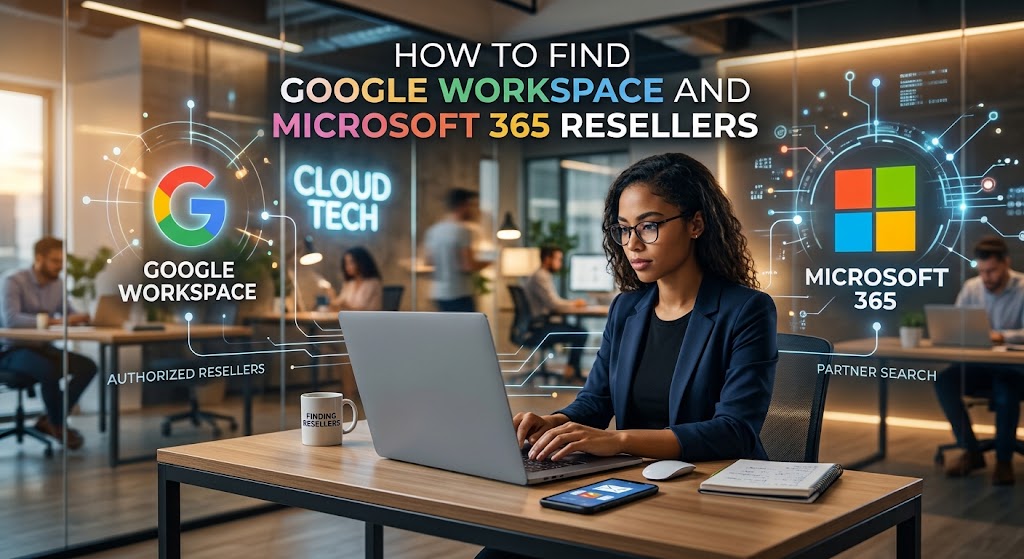
If your software lives inside a Google Workspace or Microsoft 365 environment, the fastest path to new customers often runs through the partners already managing those environments for businesses. Google Workspace resellers and Microsoft 365 Cloud Solution Provider (CSP) partners are trusted advisors to thousands of SMBs and mid-market companies. When they recommend a complementary tool, deals close faster and churn stays lower.
The challenge is finding the right workspace partners, reaching them at scale, and giving them a reason toprioritize your product over the dozens of other vendors competing for their attention.
This guide covers exactly that.
What Workspace Partners Actually Look Like
“Workspace partner” covers a wide range of businesses. At one end, you have large Microsoft CSP distributors and Google Premier Partners managing hundreds of enterprise accounts. At the other, boutique MSPs in markets like India, the Philippines, or Egypt handling IT for 20 to 100 SMB clients and making every purchasing recommendation personally.
For most IT software vendors with 10 to 200 employees, the boutique and mid-tier segment is the more realistic and more productive target. These partners have direct relationships with end customers, influence purchasing decisions, and are actively looking for vendor programs that add margin and value to their existing stack.
What they tend to have in common:
- They already bill customers for Google Workspace or Microsoft 365 licenses
- They handle onboarding, support, and renewals – which means they see every pain point in the customer environment firsthand
- They are incentivized to recommend tools that reduce their own support burden or open a new revenue line
- They are reachable, but they receive a lot of vendor outreach and filter aggressively
Understanding this profile shapes every decision you make about how to recruit them.
Where to Find Google Workspace and Microsoft 365 Resellers
Official Partner Directories
Both Google and Microsoft maintain public partner directories. Google’s Partner Directory lets you filter by partner type, country, and specialization. Microsoft’s partner finder does the same across its CSP and solution partner tiers.
These directories are a starting point, not a complete picture. They list partners who have met certification requirements, but they won’t tell you which ones are actively looking for new vendor relationships, which already work in your software category, or which have a customer base that matches your ICP.
Industry-Specific Partner Databases
A verified, searchable database of channel partners – filterable by geography, expertise, and existing vendor relationships – gives you far more signal than a certification directory. The Elioplus partner database covers active resellers across 50-plus countries, including markets like India, Pakistan, the Philippines, and Egypt where workspace partner density is high and vendor competition for attention is lower than in North America or Western Europe.
You can filter by IT category, location, and the vendor programs a partner already participates in. That last filter is especially useful: a reseller already working with a CRM or cybersecurity vendor in your category is a much warmer prospect than a cold name pulled from a certification list. Also, you can filter by estimated annual revenue and company size.
LinkedIn and Community Channels
LinkedIn is a legitimate sourcing channel for workspace partners if you use it with precision. Search for titles like “Google Workspace Partner,” “Microsoft CSP,” “IT Solutions Manager,” or “MSP Owner” combined with a target geography. Engage with their content before sending a connection request. Cold InMail with a generic pitch gets ignored. A message that references something specific about their business gets read.
Partner communities on Reddit, Slack groups for MSPs, and forums like Spiceworks also surface active partners who are vocal about what they want from vendor programs. These channels are slower but tend to produce warmer relationships.
How to Qualify Workspace Partners Before You Reach Out
Not every workspace reseller is worth recruiting. Qualifying before outreach saves time on both sides.
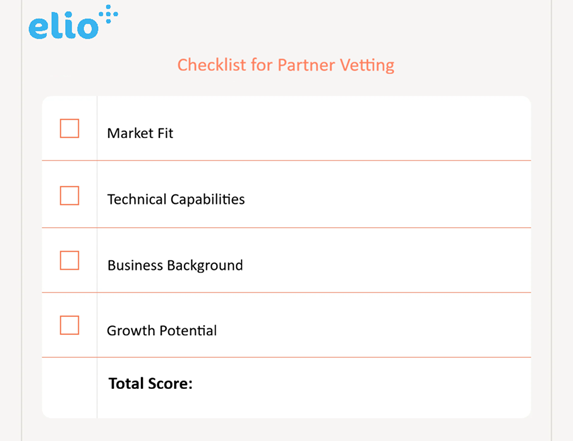
The four factors that matter most:
Customer segment fit: A partner managing enterprise accounts with 500-seat Microsoft 365 deployments is not the right fit for a product that sells best to 20 to 100 seat SMBs. Match the partner’s customer base to your own ICP.
Geographic coverage: If you are expanding into Southeast Asia or the Middle East, prioritize partners with active customer bases in those regions. A partner with 50 customers in the Philippines is more valuable for that expansion than a large US-based CSP with no presence there.
Existing vendor stack: Partners who already resell tools in adjacent categories – ITSM, document
management, cybersecurity – are more likely to understand your product’s value and position it correctly. Partners with no adjacent software relationships may need more enablement investment before they can sell effectively.
Capacity and motivation: A partner actively looking for new vendor programs is a fundamentally different conversation from one content with their current stack. Intent signals – like a partner listing their vendor programs publicly or engaging with channel recruitment content – indicate real openness.
Building an Outreach Sequence That Gets Responses
Workspace partners receive vendor outreach constantly. The messages that get responses are specific, lead with partner benefit, and make the ask small.
A three-step sequence that works:
Step 1: Personalized first contact. Reference something specific – the markets they serve, the vendors they already work with, or a customer pain point your product addresses. One sentence of context is enough. Then state clearly what you are offering and why it is worth their time. Keep it under 100 words.
Step 2: Value follow-up. If there is no response after five to seven days, follow up with something useful: a case study from a similar partner, a margin calculation, or a specific RFQ or customer lead relevant to their market. This is not a reminder email – it is a second piece of value.
Step 3: Direct ask. A short, low-commitment ask: a 20-minute call to walk through the partner program. Make it easy to say yes. Include a direct calendar link.
At volume, this sequence requires automation. Manually tracking 50 or 100 outreach threads in a spreadsheet breaks down fast. Partner recruitment automation – where outreach is managed systematically on your behalf is how vendors running active recruitment programs maintain quality at scale without adding headcount.
What Your Partner Program Needs to Offer
Even a well-executed outreach sequence fails if the program itself is not compelling. Workspace partners evaluate vendor programs on a few clear criteria.
Margin and revenue share: This is the first question. Be specific about what a partner earns per deal and per renewal. Vague answers here end conversations quickly.
Deal registration: Partners will not invest in selling your product if they fear a direct sales team or another partner will close the deal and take the commission. A clear, enforced deal registration process is non-negotiable for serious partners.
Onboarding and enablement: Partners need to be able to explain and demo your product without hand-holding from your team on every deal. A partner portal with training materials, demo environments, and co-branded sales assets cuts the time from signed agreement to first deal significantly.
Lead sharing: Passing qualified leads to partners is one of the fastest ways to activate a new relationship. If you have RFQ or intent data from customers in a partner’s geography or vertical, sharing that creates immediate value and builds trust early.
Responsiveness: Partners talk to each other. A vendor that takes two weeks to respond to a deal registration request or a support question gets a reputation. Speed matters more than most vendors realize.
Managing Workspace Partners After Recruitment
Signing a partner agreement is the start of the relationship, not the finish. Partners who do not receive structured onboarding, clear communication, and regular engagement go quiet within 90 days. A basic partner management framework covers:
- Deal registration and pipeline visibility: Your PRM should give partners a simple way to register deals and give you real-time visibility into what is in the pipeline.
- Tiered structure: Define what a Silver, Gold, or Platinum partner looks like in terms of deal volume, certifications, and support level. Tiers give partners a progression path and give you a way to allocate resources without guesswork.
- Quarterly business reviews: Even a 30-minute QBR with an active partner surfaces problems before they become churn. Partners who feel visible and valued stay active longer.
- Co-marketing: Joint webinars, case studies, and co-branded campaigns benefit both sides. Partners who have invested in co-marketing with a vendor are far less likely to deprioritize that vendor’s product when the next pitch lands in their inbox.